
Buy-to-Let Mortgage Valuations: What Do Lenders Look At?



A property may appear to be worth a particular amount based on its asking price, recent sales or an estate agent's valuation. However, when you apply for a buy-to-let mortgage, the lender may require a valuation as part of its lending assessment.
The valuation can be important because the lender needs to understand the property being used as security for the mortgage.
For landlords, the valuation can also have implications for the loan-to-value ratio, borrowing requirements and the overall feasibility of a purchase.
This guide explains how BTL valuations work and what can happen if the valuation differs from the price you agreed to pay.
What is a BTL mortgage valuation?
A mortgage valuation is an assessment of a property carried out for the lender.
The purpose is not necessarily to provide you with a detailed survey of the property. Instead, the lender uses the valuation to help assess the property as security for the proposed mortgage.
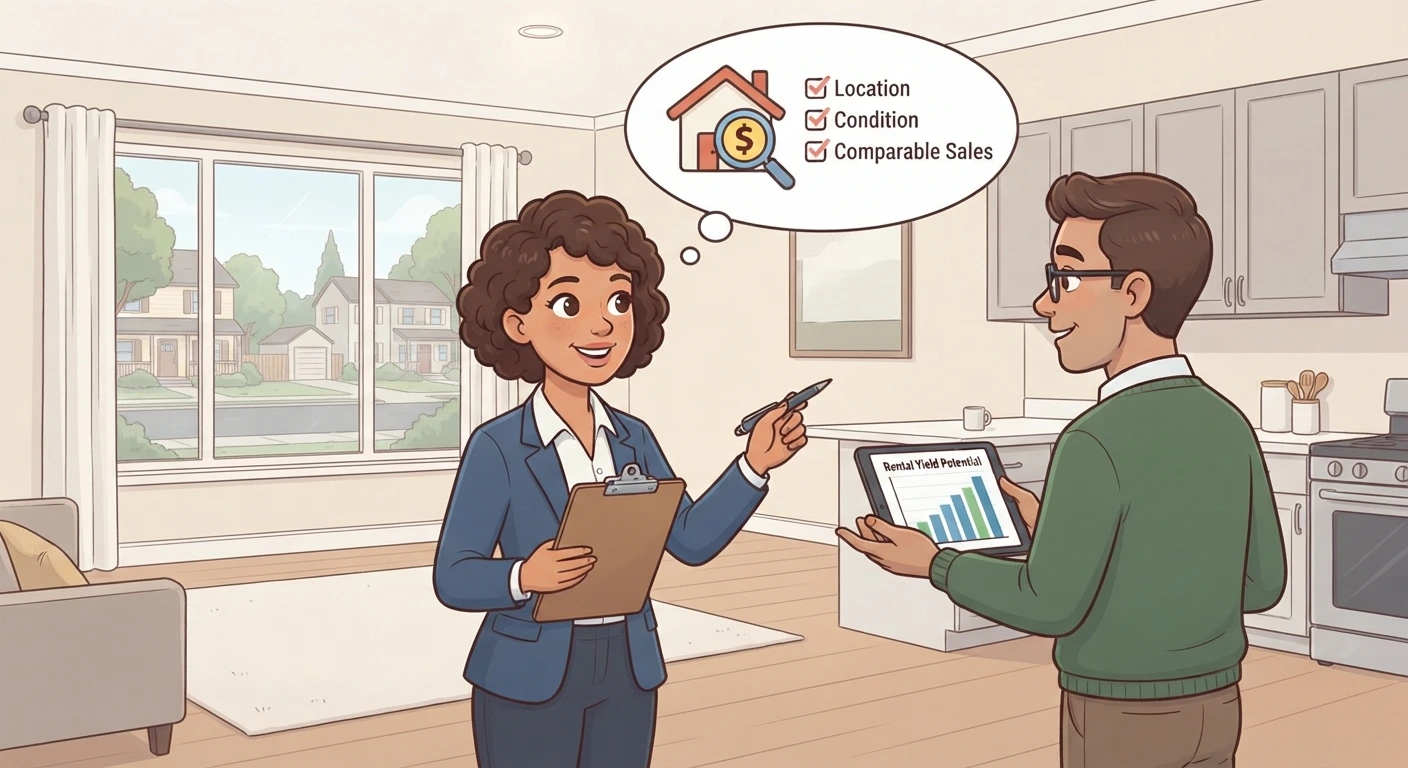
The valuer may consider factors including:
Property type Location Condition Size Comparable properties Market evidence Potential rental value Lease details where relevant Construction Any unusual features
The precise valuation process can vary.
Is the mortgage valuation the same as a property survey?
No.
A mortgage valuation and a survey serve different purposes.
A mortgage valuation is primarily concerned with helping the lender assess the property as security.
A survey is generally intended to provide the buyer with information about the physical condition of the property.
A valuation should therefore not be treated as a comprehensive building survey.
If you are buying an investment property, you should consider whether you need an independent survey in addition to any lender valuation.
Why does the valuation matter for a BTL mortgage?
The valuation can affect the loan-to-value calculation.
Suppose you agree to buy a property for:
£300,000
You have a:
£75,000 deposit
Your proposed mortgage would be:
£225,000
At the purchase price, that represents 75% LTV.
But suppose the lender's valuation comes back at £280,000.
The £225,000 mortgage would now represent approximately 80.4% of the valuation.
That difference could affect whether the proposed mortgage fits the lender's LTV criteria.
What is a down valuation?
A down valuation occurs when the lender's valuation is lower than the purchase price.
For example:
Agreed purchase price: £300,000 Mortgage valuation: £280,000
The £20,000 difference does not automatically mean that the transaction has to end.
However, it can create a funding gap.
If the lender will only lend against its valuation, the borrower may need to consider whether additional funds are required or whether the transaction should be renegotiated.
The appropriate response depends on the individual circumstances.
Why might a property receive a lower valuation?
There can be several reasons.
1. Comparable sales
The valuer may identify recent transactions for similar properties that suggest a lower market value.
2. Property condition
The condition of the property may affect the valuation.
3. Location
Local market conditions and comparable properties can influence the assessment.
4. Property type
Unusual property types can have different valuation considerations.
5. Leasehold considerations
For leasehold properties, factors such as lease length and associated costs may be relevant.
6. Market evidence
The agreed purchase price is not necessarily the same thing as independently assessed market value.
Does expected rent affect a BTL valuation?
Rental income can be relevant to BTL lending, but it is important to distinguish between a property valuation and a mortgage affordability assessment.
The market value of a property and the rental income it can generate are related but different considerations.
For example, two properties with similar values may generate different rental incomes.
Lenders may use rental information as part of their assessment of whether the proposed borrowing meets their criteria.
What can landlords do before making an offer?
Researching the property carefully can help you understand the potential risks.
You could consider:
Recent comparable sales Local rental levels Property condition Lease details Service charges Ground rent where applicable Planned major works Property type Potential mortgage LTV Expected purchase costs
None of these factors guarantees the outcome of a lender valuation, but they can help you make a more informed assessment.
What happens after a down valuation?
There are several possible routes depending on the circumstances.
The buyer may:
Renegotiate the purchase price Increase the deposit Consider a different mortgage product Explore other lenders Reassess the transaction Decide not to proceed
The right approach depends on the financial position and the terms of the transaction.
A lower valuation should not automatically be interpreted as evidence that the property is a bad investment. Equally, it should not be ignored.
Can the valuation affect your deposit?
Potentially.
If a lender's maximum LTV is based on its valuation, a lower valuation can increase the amount of capital required from the borrower.
For example, if a lender is prepared to lend 75% of a £300,000 valuation, the maximum loan would be £225,000.
If the valuation is £280,000, 75% would be £210,000.
That creates a potential £15,000 difference in the amount of borrowing available at that LTV.
Check your mortgage options before committing
Understanding the potential mortgage requirements before buying can help you assess the transaction more realistically.
Dynesourcer's Buy-to-Let Mortgage Calculator allows landlords and prospective landlords to explore BTL mortgage products based on their property and borrowing requirements.
https://www.dynesourcer.co.uk/mortgages/buy-to-let-mortgage-calculator
The calculator is an information and sourcing tool. Actual mortgage availability depends on lender criteria, valuation, application information and individual circumstances.
Frequently asked questions
What happens if a BTL valuation is lower than the purchase price?
A lower valuation can affect the amount a lender is willing to lend. Depending on the circumstances, the buyer may need to provide additional funds, renegotiate the price or consider alternative mortgage options.
Does an estate agent valuation guarantee the mortgage valuation?
No. A lender's valuation is a separate assessment.
Can I challenge a down valuation?
Depending on the lender and circumstances, there may be a process for submitting additional comparable evidence or requesting a review. This varies between lenders.
Is a mortgage valuation a survey?
No. A mortgage valuation is not the same as a comprehensive building survey.
Important information
This article is for general information purposes only and does not constitute financial advice or a recommendation to apply for a particular mortgage. Property values can change and mortgage availability depends on lender criteria and individual circumstances. Your property may be repossessed if you do not keep up repayments on your mortgage.
Want tailored sourcing?
Use the calculator for your scenario, then move into sourcing to compare, shortlist and apply.